
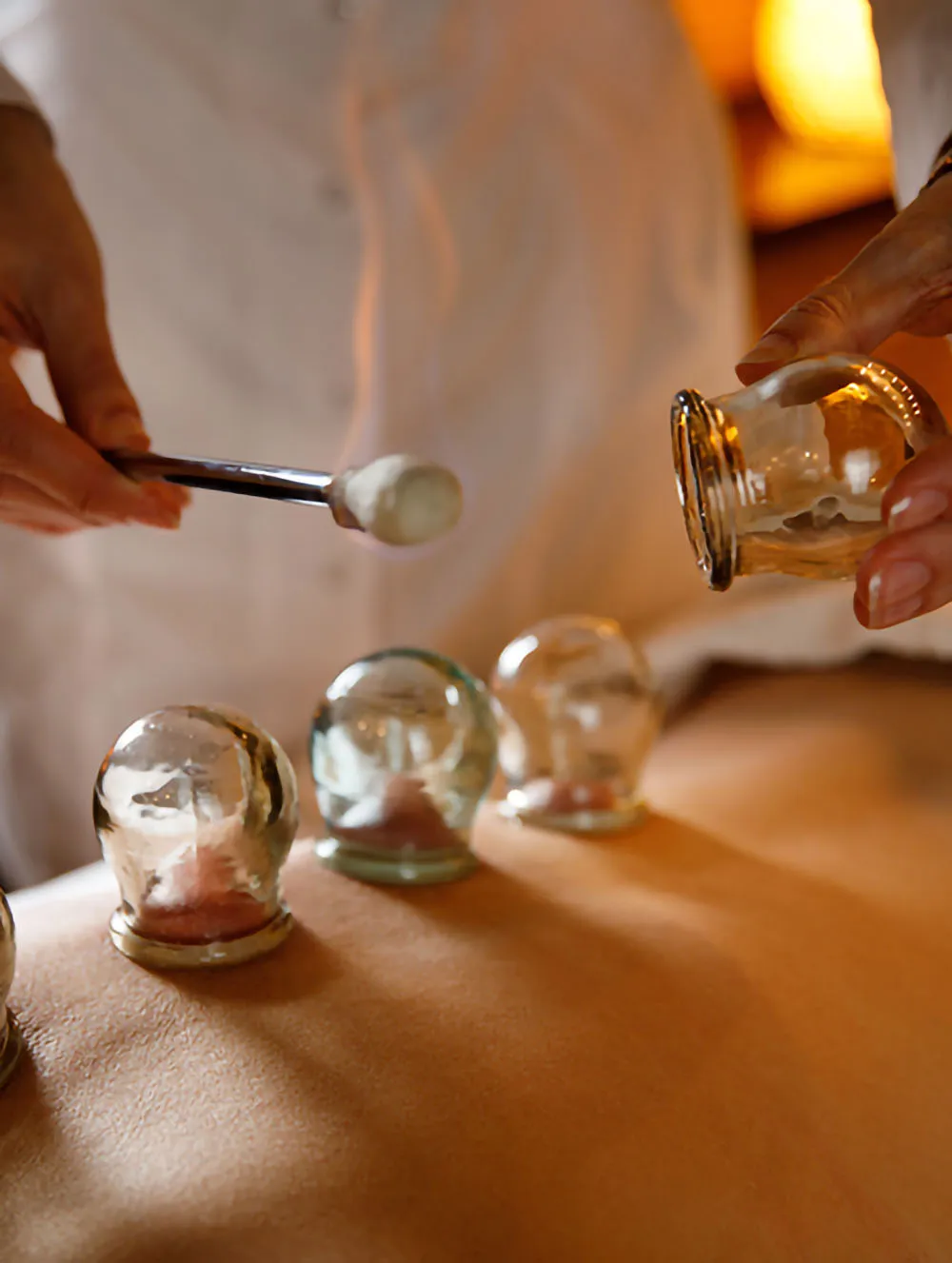
Many people who experience tightness, stiffness, or soreness in their muscles often ask, how does hijama help with muscle tension? Hijama therapy, also known as cupping therapy, is a centuries-old healing practice that helps relieve pain and promote relaxation by improving blood circulation and releasing muscle knots. This therapy uses suction to draw out stagnant blood, toxins, and metabolic waste, which are often responsible for muscle stiffness and fatigue. It works naturally to restore balance, reduce inflammation, and promote faster muscle recovery, making it one of the most effective natural remedies for chronic muscle tension and pain relief.
What Is Hijama Treatment And How It Works?
Hijama Therapy in Dubai(علاج الحجامة في دبي) is a therapeutic procedure where cups are placed on specific body points to create suction. This suction increases blood flow, stretches the fascia (connective tissue around muscles), and relaxes deep muscle layers. There are two main types — dry cupping and wet cupping. In dry cupping, suction is applied without incisions, while wet cupping involves making small cuts to remove stagnated blood and toxins.
When applied to tight muscles, Hijama stimulates oxygen supply and nutrient delivery, which helps repair damaged tissues and release pressure from muscle fibers. The process also triggers the nervous system to release endorphins — the body’s natural painkillers — which further reduce discomfort and promote a deep sense of relaxation.
Importance Of Treatment:
The importance of Hijama therapy for muscle tension lies in its holistic healing effects. Unlike painkillers or temporary massages, Hijama targets the root cause of tension — poor circulation, toxin buildup, and muscular inflammation. Regular sessions can:
- Improve blood circulation to affected areas
- Reduce stiffness and soreness
- Eliminate lactic acid and other waste materials
- Promote relaxation and stress relief
- Speed up recovery from muscle strain or injury
For athletes, desk workers, or anyone with an active lifestyle, Hijama can be a natural way to maintain flexibility and prevent chronic muscle fatigue.
Types Of Treatment And Preparation:
Different forms of Hijama can be applied depending on the severity of muscle tension:
- Dry cupping: Best for mild stiffness and relaxation, helps stretch muscles without any incision.
- Wet cupping: Ideal for chronic pain, inflammation, and toxin removal as it draws out impure blood.
Before undergoing the treatment, a few preparation steps enhance its effectiveness:
- Stay hydrated and eat light before the session
- Avoid caffeine and smoking for a few hours
- Take a warm shower to loosen the muscles
- Wear comfortable clothing and rest well before treatment
These preparatory measures ensure smoother circulation and better results during and after the session.
Aftercare And Recovery:
After Hijama therapy for muscle tension, the body needs time to heal and adjust. Proper aftercare enhances recovery and prevents discomfort. Follow these simple steps:
- Rest for at least 24 hours after treatment
- Avoid heavy exercise or lifting
- Drink plenty of water to flush out toxins
- Keep the cupping areas clean and avoid exposure to direct sunlight
- Apply soothing natural oils or balms if slight redness appears
Most people experience immediate relief from stiffness, while full recovery and muscle relaxation continue over the next few days. The sense of lightness and comfort after Hijama often encourages regular sessions for long-term muscle health.
Ideal Candidate For Hijama Therapy:
The ideal candidate for Hijama treatment includes individuals who suffer from chronic muscle pain, tightness, or stiffness caused by stress, overuse, or poor posture. It is also suitable for athletes, gym-goers, or anyone with repetitive strain injuries. You may be a good candidate if you experience:
- Persistent shoulder, neck, or back stiffness
- Muscle tightness from sitting long hours
- Post-workout soreness or fatigue
- Joint or tendon pain due to overuse
- Restricted range of motion or flexibility
However, people with bleeding disorders, severe skin infections, or during pregnancy should avoid the treatment unless medically cleared.
How To Choose The Right Setting For Hijama?
Selecting the right environment for Hijama is essential for safety and effectiveness. Consider these key factors when choosing where to have your treatment:
- Ensure the practitioner is trained and experienced in cupping therapy
- Check for sterile, disposable equipment
- The treatment area should be clean, quiet, and comfortable
- The practitioner should explain the process clearly before starting
A hygienic and calming setting allows your body to relax completely, enhancing the physical and mental benefits of the therapy.
Risks And Benefits:
Risks:
When performed correctly, Hijama Therapy(علاج الحجامة) has minimal risks. Some mild redness, tenderness, or temporary marks may appear, which fade within a few days. Rarely, improper technique or poor hygiene could lead to infection, emphasizing the need for a clean environment.
Benefits:
The benefits of Hijama for muscle tension are numerous and deeply therapeutic, including:
- Relief from muscle pain and stiffness
- Improved circulation and oxygen flow
- Reduction of inflammation and swelling
- Enhanced mobility and flexibility
- Relaxation of both body and mind
These benefits make Hijama one of the most effective natural remedies for muscular stress and recovery enhancement.
Frequently Asked Questions (FAQs):
1. How does Hijama relieve muscle tension?
Hijama improves circulation, removes toxins, and relaxes muscle fibers through suction and pressure release.
2. How soon will I feel relief after Hijama?
Most people experience relief immediately or within a few hours after the session, with continued improvement over the next few days.
3. Can Hijama help with sports injuries?
Yes, it aids in muscle recovery, reduces inflammation, and accelerates healing after strenuous activity or injury.
4. Is Hijama painful?
The process feels like gentle suction; minor discomfort may occur during wet cupping but quickly subsides.
5. How often should Hijama be done for muscle tension?
Every 4–6 weeks is usually sufficient for maintenance, though frequency may vary depending on individual needs.
Conclusion:
In conclusion, understanding how hijama helps with muscle tension reveals why this therapy has stood the test of time as a powerful natural healing method. By promoting blood flow, reducing inflammation, and releasing tight muscle fibers, Hijama therapy provides effective relief from stiffness and chronic pain. It not only eases physical discomfort but also enhances overall relaxation and vitality. For anyone seeking a natural, holistic approach to muscular wellness, Hijama helps with muscle tension by rejuvenating the body, soothing the mind, and restoring balance from within.
No responses yet