
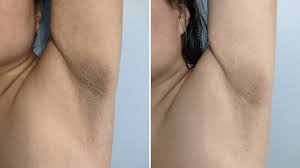
Many people try underarm peeling to achieve brighter and smoother armpits, but sometimes the process leads to unexpected darkening instead of lightening. This can raise a common concern — can armpit hyperpigmentation be permanent after peeling? Understanding how pigmentation develops and how to treat it is essential for restoring the skin’s natural tone. In My Experience with Underarm Peeling (تجربتي مع تقشير الابط), mild irritation and improper aftercare caused prolonged discoloration, which highlights the importance of choosing the right peeling method and proper recovery steps. In this article, you’ll learn what causes long-lasting darkening, how to manage it, and when to expect improvement.
What Is Armpit Hyperpigmentation and How It Happens After Peeling?
Armpit hyperpigmentation after chemical peeling in Dubai(فرط تصبغ الإبط بعد التقشير الكيميائي في دبي) occurs when melanin production increases in response to irritation or chemical damage. During a peel, acids exfoliate the top skin layers, but if the peel is too strong or left on too long, it can injure the skin barrier. When the skin reacts defensively, it creates excess pigment as a healing response.
Factors that trigger this reaction include:
- Using high-strength peels designed for the face on sensitive underarm skin
- Applying multiple peeling layers without professional guidance
- Skipping sunscreen or using harsh deodorants after the procedure
- Performing frequent peels without proper recovery time
In some cases, The Harmful Effects of Cold Peeling on the Armpits (أضرار التقشير البارد للابط) appear when low-quality or improperly mixed peels cause burns, leaving behind uneven pigmentation that can persist for months.
Types of Peeling and Their Role in Pigmentation:
Not all chemical peels behave the same way on the skin. Understanding each type helps prevent permanent pigmentation issues:
- Superficial Peels: These target only the outer skin layer and are generally safer for the armpits. They help lighten mild pigmentation with minimal irritation.
- Medium Peels: These penetrate deeper and should only be used under expert supervision. Overuse can lead to scarring or prolonged darkening.
- Cold Peeling or Mixed Acids: Often marketed as “instant whitening,” these can cause unpredictable reactions and chemical burns if misapplied.
- Natural Peels: Gentle fruit-based or enzyme peels are ideal for maintaining brightness once the skin has healed.
It’s important to remember that skin sensitivity varies. Even a mild formula can cause Darkness After Chemical Peeling (السواد بعد التقشير الكيميائي) if the barrier is already compromised from previous treatments or friction.
Preparation and Aftercare to Prevent Long-Term Damage:
Before attempting another peel or any brightening treatment, focus on repairing the skin barrier and reducing inflammation. Follow these essential aftercare steps:
- Hydrate: Apply fragrance-free moisturizers with ceramides, hyaluronic acid, or panthenol.
- Soothe: Use aloe vera or thermal spring water sprays to calm redness.
- Avoid Friction: Wear loose clothing and avoid shaving for a few days post-peel.
- Sun Protection: Even indirect sun exposure can darken healing skin—use a gentle sunscreen daily.
- Skip Active Ingredients: Pause acids, retinoids, or alcohol-based deodorants until the skin fully recovers.
Following a structured healing routine helps minimize pigmentation risks and allows the skin to naturally renew itself, similar to the steps shown in Stages of Chemical Facial Peeling with Pictures (مراحل التقشير الكيميائي للوجة بالصور) where skin recovery plays a vital role in the final result.
Ideal Candidate for Armpit Peeling:
Not everyone’s skin reacts well to chemical peels. The best candidates are those who:
- Have mild to moderate discoloration, not deep pigmentation
- Do not have eczema, rashes, or sensitivity in the armpit area
- Can commit to pre- and post-treatment care
- Are willing to start with mild peels and gradually build tolerance
Those with naturally darker skin tones should proceed cautiously, as post-inflammatory hyperpigmentation is more likely to occur.
Risks and Benefits of Armpit Peeling:
Like any cosmetic treatment, peeling offers both advantages and risks:
Benefits:
- Brighter, smoother underarm skin
- Reduction in dead cells and rough texture
- Enhanced product absorption
Risks:
- Chemical burns from incorrect peel strength
- Prolonged hyperpigmentation or dark spots
- Sensitivity and peeling irritation
- Potential scarring if picked or scratched
If discoloration persists for months despite proper care, it may not be truly permanent but rather slow to fade. Consistent moisturizing and gentle exfoliation can help renew the skin faster.
FAQs About Armpit Hyperpigmentation After Peeling:
Q1. Is armpit pigmentation after peeling permanent?
Usually not. It may last weeks or months, but with proper skincare, the skin typically returns to its natural tone.
Q2. How long should I wait before trying another peel?
At least 4–6 weeks, or longer if the skin is still sensitive.
Q3. Can natural remedies help fade dark underarms?
Yes, ingredients like niacinamide, licorice extract, and aloe vera can help lighten pigmentation safely.
Q4. What should I avoid after a peel?
Avoid deodorants, hot showers, and tight clothing until healing completes.
Q5. When should I seek professional help?
If the skin becomes inflamed, painful, or remains dark beyond 3 months, it’s best to consult a skincare professional.
Conclusion:
Armpit hyperpigmentation after peeling can seem alarming, but it’s rarely permanent. The key lies in gentle care, avoiding aggressive re-peeling, and restoring the skin’s natural balance. Following safe methods and understanding The Harmful Effects of Cold Peeling on the Armpits (أضرار التقشير البارد للابط) helps prevent lasting pigmentation issues. As seen in My Experience with Underarm Peeling (تجربتي مع تقشير الابط), proper recovery and patience lead to gradual brightening without irritation. If Armpit hyperpigmentation(فرط تصبغ الإبط) occurs, focus on skin barrier repair first before considering another peel. With time, the skin can renew itself and regain its natural smoothness and tone.
No responses yet