
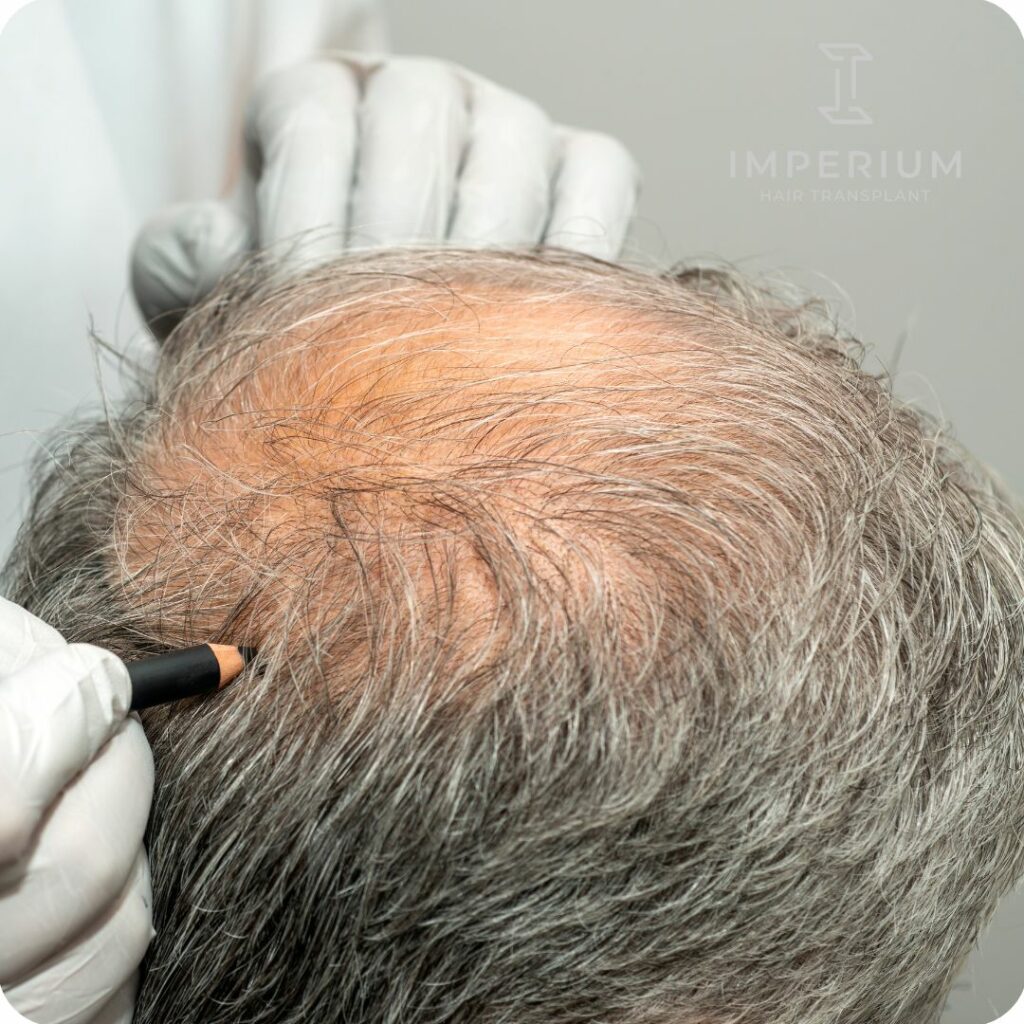
Can a Hair Transplant Be Redone Later? This is one of the most common questions people ask when considering long-term hair restoration. A hair transplant is a permanent solution, but hair loss can continue to progress naturally with age. Because of this, many people wonder whether another session is possible in the future. Understanding how the treatment works, what affects its longevity, and when a redo may be appropriate helps you plan better and set realistic expectations. In this introduction, you will learn how the procedure can be repeated, why some individuals choose to do so, and what factors determine suitability for future sessions.
What Is The Treatment And How It Works – Importance Of Treatment?
A Hair transplant in Dubai(زراعة الشعر في دبي) is a procedure that relocates healthy hair follicles from a donor area—usually the back or sides of the scalp—to thinning or bald areas. This works because donor follicles in these regions are genetically resistant to pattern hair loss. The importance of this treatment lies in its ability to restore natural-looking, permanent hair growth.
The process typically involves extracting follicles using advanced techniques and placing them strategically to match natural density and direction. Over time, the transplanted hair sheds and regrows, creating long-term coverage. This treatment is important because it enhances confidence, improves appearance, and provides a lasting solution compared to temporary approaches like topical applications or cosmetic concealers.
Types Of Treatment:
Different techniques are used depending on hair type, goals, and donor availability:
- FUT (Follicular Unit Transplantation): Involves removing a strip of scalp from the donor area and dissecting it into follicular units.
- FUE (Follicular Unit Extraction): Extracts individual follicles one by one, leaving minimal visible scarring.
- DHI (Direct Hair Implantation): An advanced variation where follicles are implanted using specialized devices for precise placement.
Each technique has unique advantages regarding scarring, recovery time, and suitability for repeat procedures. Knowing the type of treatment performed initially helps determine whether a second session can be completed safely and effectively.
Preparation, Aftercare, And Ideal Candidate:
Before the procedure, preparation typically includes avoiding harsh products, managing scalp health, and following pre-treatment guidelines to enhance graft survival. Aftercare is just as important—patients must protect the grafts, avoid sweating or scratching the scalp, and follow cleaning routines carefully to promote healing.
The ideal candidate for a transplant or a redo session usually has:
- A stable pattern of hair loss
- Sufficient donor area density
- Realistic expectations
- Overall good health
People with rapidly progressing hair loss may be advised to stabilize their condition before planning a redo procedure. Evaluating these factors determines whether repeating the process is both safe and beneficial.
How To Choose The Right Clinic – Risks And Benefits?
Selecting the right clinic for an initial or repeat session requires careful evaluation. Look for experience, technique expertise, hygiene standards, digital assessments, and transparent communication about expected density and outcomes. A well-qualified team ensures safer handling of the donor area, which is crucial when planning additional sessions later.
Benefits of a redo include improved density, correction of old patterns, and the ability to match new Hair transplant treatment(علاج زراعة الشعر) with natural aging. However, risks may involve scarring, limited donor supply, uneven density, or slower healing if previous procedures have altered scalp structure. Understanding these potential outcomes helps you make an informed decision.
FAQs And Conclusion:
FAQs
Can a redo create thicker density?
Yes, if donor supply allows, a second session can increase fullness in areas that need more coverage.
Will transplanted hair fall out again?
The transplanted follicles are permanent, but surrounding natural hair may continue thinning over time.
How long should I wait before a redo?
Most people wait at least one year to allow full growth and assess final results.
Is a redo always possible?
Not always—donor area limitations and scalp condition can affect eligibility.
Conclusion:
A repeat procedure is certainly possible when planned correctly, performed by experienced professionals, and supported by adequate donor hair. Many individuals choose to enhance density or adjust hairlines as their appearance evolves with age. The key is understanding the long-term nature of hair restoration and making informed choices at each stage. By evaluating your scalp carefully and working with a qualified team, you can confidently decide whether another session is right for you. Can a Hair Transplant Be Redone Later?
No responses yet