
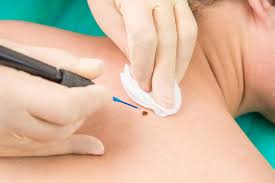
Many people considering Mole removal often ask, “Can all types of moles be removed safely?” This is one of the most common concerns for those seeking cosmetic or medical treatment. Moles vary in size, color, and depth, and understanding which types can be safely removed is essential for achieving effective results while minimizing risks. This article explores how different mole types are assessed, the safest removal methods, preparation, aftercare, and the benefits of professional treatment, addressing common user queries along the way.
What Is The Treatment And How It Works & Importance Of Treatment?
Mole removal in Dubai(إزالة الشامات في دبي) is a dermatological procedure that eliminates unwanted, raised, or potentially concerning moles. Safety and effectiveness depend on proper assessment and choosing the right method.
How The Treatment Works:
- The mole is examined to determine size, type, and depth
- A suitable removal method is chosen for safety and precision
- Local anesthesia is applied to ensure comfort
- The mole is removed using the selected technique
- The skin begins its natural healing process
Why The Treatment Is Important:
- Addresses concerns such as “Are certain moles risky to remove?”
- Prevents irritation, infection, or scarring
- Improves skin appearance and uniformity
- Supports early detection of potentially harmful moles
Professional assessment ensures that even higher-risk moles can be treated safely and effectively.
Types Of Treatment:
Different mole types may require different removal approaches, which influence safety and outcomes.
Common Methods:
- Shave removal: Ideal for small, raised moles with minimal depth
- Surgical excision: Suitable for larger, deeper, or potentially suspicious moles
- Laser-based removal: Effective for flat or pigmented moles, providing smooth skin results
- Electrosurgical techniques: Uses controlled energy to remove mole tissue efficiently
Selecting the correct method based on mole type and skin characteristics ensures safety, minimizes complications, and improves healing.
Preparation And Aftercare:
Proper preparation and aftercare are critical for safe mole removal and successful recovery.
Preparation Steps:
- Avoid sun exposure or tanning prior to the procedure
- Keep the skin clean and free from lotions or irritants
- Inform about allergies, sensitive skin, or previous scarring
- Follow pre-procedure instructions carefully
Aftercare Guidelines:
- Keep the treated area dry and protected
- Avoid scratching, rubbing, or picking at the site
- Apply sun protection consistently
- Follow guidance for cleaning and dressing the wound
Adhering to preparation and aftercare instructions reduces risks and promotes safe healing for all mole types.
Ideal Candidate And How To Choose A Right Clinic:
Choosing the right candidate and clinic is essential for safe and effective mole removal.
Ideal Candidate:
- Individuals with unwanted, raised, pigmented, or changing moles
- People seeking safe and effective removal with minimal complications
- Those willing to follow pre- and post-procedure care instructions
- Individuals without active infections or skin irritation at the treatment site
How To Choose A Right Clinic:
- Ensure hygiene and safety protocols are followed
- Look for advanced technology suitable for various mole types
- Choose facilities that provide clear guidance on safety and aftercare
- Prefer centers that offer follow-up support to monitor healing
These factors ensure that mole removal is both safe and effective, regardless of mole type.
Risks, Benefits, Faqs, And Conclusion:
Understanding potential risks and benefits helps patients make informed decisions about mole removal.
Benefits:
- Safe Mole removal(إزالة الشامات) of different mole types
- Improved skin appearance and texture
- Reduced irritation or discomfort from problematic moles
- Early detection of potentially harmful moles
Risks:
- Temporary redness, swelling, or tenderness
- Mild scarring or pigmentation changes if aftercare is not followed
- Rare complications depending on mole size, depth, or location
Faqs:
- Can all types of moles be safely removed? Most can, with proper assessment and method selection
- Does mole size affect safety? Larger or deeper moles may require specialized techniques
- Is recovery different for different mole types? Healing depends on mole depth, location, and skin type
Conclusion:
With proper assessment, method selection, and aftercare, almost all types of moles can be removed safely. Professional evaluation ensures optimal safety, reduces complications, and improves cosmetic outcomes. For those seeking Mole removal in Dubai, understanding mole types, preparation, and aftercare is essential for safe, effective, and satisfying results.
No responses yet