
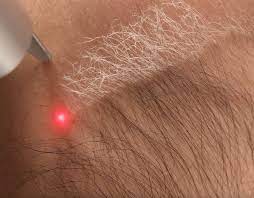
When planning to undergo laser hair bleaching, many people wonder, do I need a patch test before laser hair bleaching? This question is essential because a patch test helps determine how your skin will react to the laser before committing to a full session. The treatment itself works by lightening fine or dark body hair, making it less visible and giving the skin a smoother, clearer appearance. Since everyone’s skin type and sensitivity differ, a patch test ensures safety and comfort throughout the process. It also helps prevent unexpected irritation, redness, or pigmentation issues after the procedure.
What Is Laser Hair Bleaching And How It Works?
Laser Hair Bleaching in Dubai(تشقير الشعر بالليزر في دبي) uses light-based technology to target the melanin in hair strands, breaking down the pigment so that the hair appears lighter and blends naturally with the skin tone. Instead of removing hair like traditional lasers or waxing methods, this technique reduces visibility. A patch test involves exposing a small area of your skin to the laser to assess how it responds. It identifies possible sensitivities or allergic reactions, allowing adjustments in laser intensity before the full treatment. This simple step ensures that your skin remains protected and helps optimize the overall bleaching effect without discomfort or side effects.
Importance Of Treatment:
The importance of a patch test before laser hair bleaching cannot be overstated. Since laser devices vary in wavelength and intensity, each person’s skin may respond differently. Conducting a patch test ensures that the settings used are safe and appropriate for your skin tone and type. This helps avoid unwanted reactions such as itching, swelling, or hyperpigmentation. Moreover, it builds confidence in the treatment’s safety and effectiveness. By identifying your skin’s tolerance beforehand, you ensure a smoother and more predictable experience during the actual procedure. It also helps technicians fine-tune laser parameters for consistent, flawless results over multiple sessions.
Types Of Laser Hair Bleaching:
There are different types of laser hair bleaching technologies, and each may require a patch test to determine compatibility with your skin.
- Diode Laser Bleaching: Works effectively on lighter skin tones and finer hair; patch testing helps confirm safe energy levels.
- Nd:YAG Laser Bleaching: Ideal for darker skin tones; patch testing ensures the laser does not cause overheating or pigment changes.
- IPL (Intense Pulsed Light): A versatile option suitable for various skin types, but patch testing is still crucial to adjust pulse settings.
Each laser type reacts differently depending on skin tone and hair density. Performing a patch test ensures the laser choice is safe, customized, and efficient for your specific needs.
Preparation And Aftercare:
Before your laser hair bleaching session, proper preparation enhances both safety and effectiveness.
Before treatment:
- Schedule a patch test at least 24 to 48 hours before your first session.
- Avoid sun exposure, tanning, and chemical exfoliants.
- Keep the treatment area clean and free from products or perfumes.
Aftercare: - Apply a cooling gel or aloe vera on the tested area to soothe the skin.
- Avoid heat exposure, gym workouts, or direct sunlight for at least a day.
- Do not scratch or rub the tested area if mild redness occurs.
These steps help confirm that your skin is ready for full treatment and that any minor reactions subside quickly. A successful patch test ensures that the full session proceeds without complications or irritation.
Ideal Candidate:
An ideal candidate for laser hair bleaching is someone who wants to lighten unwanted facial or body hair without undergoing full removal. This includes individuals with sensitive skin, fine hair, or light-colored hair that doesn’t respond well to traditional laser hair removal. Regardless of skin tone, anyone considering the treatment should undergo a patch test first. It is especially important for those with a history of allergies, eczema, or previous skin sensitivities. This precaution helps determine if your skin can tolerate the laser safely and ensures a personalized approach that aligns with your unique skin profile.
How To Choose The Right Clinic?
Selecting the right place for laser hair bleaching is essential, and a reputable setup will always insist on a patch test before treatment. Ensure that the practitioners use modern laser systems designed for your skin type and hair color. They should also provide detailed instructions for pre- and post-care. Verify that the staff are trained professionals who understand how to interpret patch test results accurately. Reading reviews and confirming the hygiene standards of the facility can further guarantee a safe experience. A trustworthy establishment prioritizes your comfort, safety, and satisfaction from the very first test to the final session.
Risks And Benefits:
While Laser Hair Bleaching treatment(تشقير الشعر بالليزر) is considered safe, understanding its risks and benefits is important before treatment.
Risks include:
- Temporary redness or mild irritation after the patch test or session.
- Slight swelling or itching in rare cases.
- Pigment sensitivity in individuals with darker skin tones.
Benefits include: - Non-invasive and painless treatment.
- Even and natural-looking results.
- Safe for most skin types after patch testing.
- Long-lasting lightening with minimal maintenance.
Performing a patch test helps eliminate or minimize potential risks and ensures that all benefits are achieved comfortably and effectively.
Frequently Asked Questions:
Why do I need a patch test before laser hair bleaching?
To check how your skin reacts to the laser and ensure the settings are safe for your specific skin type.
How long before the treatment should I do a patch test?
At least 24 to 48 hours before the full procedure.
What happens if I skip the patch test?
Skipping it may increase the risk of unexpected irritation, redness, or pigment changes.
Does the patch test hurt?
No, it usually feels like a mild warmth or gentle tingling on the skin.
Will a patch test affect my final results?
Not at all—it simply ensures that your upcoming treatment is safe and effective.
Conclusion:
In conclusion, the answer to do I need a patch test before laser hair bleaching is a definite yes. A patch test is a crucial step in ensuring your skin’s safety and compatibility with laser technology. It helps identify any potential sensitivity and prevents unwanted side effects, making your full treatment smoother and more predictable. Whether you have light or dark skin, sensitive or normal, a patch test ensures a tailored approach that delivers flawless and comfortable results. With this simple precaution, you can enjoy the full benefits of laser hair bleaching with complete confidence and peace of mind.
No responses yet