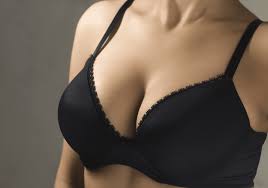
Breast augmentation is a popular cosmetic surgery designed to enhance the size and shape of a woman’s breasts. While many women choose this procedure for aesthetic reasons, one important question that often arises is whether breast augmentation is covered by insurance. The answer depends on several factors, including the reason for the surgery, whether it’s deemed medically necessary, and the specific insurance plan. In this article, we’ll explore when insurance may cover the procedure, how it works, and what you need to consider if you’re thinking about undergoing breast augmentation.
WHAT IS BREAST AUGMENTATION AND HOW IT WORKS?
Breast augmentation in Dubai(تكبير الثدي في دبي) is a surgical procedure that involves inserting implants into the breast tissue to enhance its size and shape. This cosmetic procedure can be done using either saline or silicone implants, and the implants can be placed above or below the chest muscle, depending on the patient’s anatomy and desired outcome.
For some individuals, breast augmentation can be part of reconstructive surgery following a mastectomy or to address congenital deformities, while others pursue it purely for cosmetic reasons. The procedure itself typically takes a few hours, and recovery time can vary from patient to patient.
THE IMPORTANCE OF BREAST AUGMENTATION TREATMENT:
For many women, breast augmentation can significantly improve self-esteem and body image. However, it’s crucial to note that breast augmentation is considered elective surgery when done for cosmetic purposes. Insurance typically does not cover elective surgeries unless they are deemed medically necessary.
In cases where breast augmentation is required for medical reasons, such as breast reconstruction following breast cancer surgery, insurance companies may cover the procedure, but this is subject to certain conditions and criteria. Knowing whether your surgery is considered cosmetic or medically necessary is the first step in determining your coverage options.
TYPES OF BREAST AUGMENTATION TREATMENTS:
There are two main types of breast implants used for breast augmentation: silicone and saline. Each type has its own unique benefits, and the choice of which implant to use depends on personal preferences and specific goals.
- Silicone Implants: Silicone implants are made of a silicone shell filled with a gel-like substance that mimics the feel of natural breast tissue. Many patients prefer these for their more natural feel and appearance.
- Saline Implants: Saline implants are filled with a sterile saline solution. These are typically inserted empty and then filled once in place. They offer the advantage of being adjustable during surgery, and any rupture is easily noticeable since the saline solution would be absorbed by the body.
While the type of implant you choose may affect your satisfaction with the procedure, it generally doesn’t impact whether breast augmentation is covered by insurance. The key consideration for coverage remains the reason behind the surgery.
PREPARATION AND AFTERCARE FOR BREAST AUGMENTATION:
Proper preparation and aftercare are essential components of a successful breast augmentation surgery. While mental preparation is critical, physical preparation also plays an important role in the healing process.
Before Surgery:
- Consult with your Insurance Provider: It’s important to contact your insurance provider before undergoing surgery to clarify whether your procedure will be covered. Ensure that you fully understand your policy’s terms and conditions.
- Medical Documentation: If the procedure is being done for reconstructive reasons, obtaining appropriate documentation from your healthcare provider is crucial. This could include medical records that confirm your diagnosis and the need for breast reconstruction.
- Clear Expectations: Set realistic expectations about the outcome of the surgery. Understand the risks, recovery process, and the potential benefits of the procedure.
After Surgery:
- Follow-Up Appointments: Schedule follow-up appointments with your healthcare provider to monitor the healing process and ensure that the implants are in place and functioning correctly.
- Adhere to Aftercare Instructions: Follow your surgeon’s aftercare instructions carefully, which may include wearing a support bra, limiting physical activity, and taking prescribed medications for pain management.
If breast augmentation is part of a reconstruction procedure, ongoing medical checkups will likely be required to ensure that the implants are well-maintained.
IDEAL CANDIDATE FOR BREAST AUGMENTATION:
The ideal candidate for breast augmentation surgery is someone who is in good overall health, with no chronic conditions that could complicate the healing process. The ideal candidate should also have realistic expectations regarding the results of the surgery.
For those seeking breast augmentation for cosmetic purposes, the ideal candidate is typically someone who has fully developed breasts and is dissatisfied with the size or shape of their breasts. However, those undergoing breast reconstruction following a mastectomy or those with congenital breast deformities may also be ideal candidates for insurance-covered procedures.
HOW TO CHOOSE THE RIGHT CLINIC AND RISKS AND BENEFITS?
When undergoing any surgery, choosing the right clinic and surgeon is a critical part of ensuring a successful outcome. Consider these factors when selecting a clinic for breast augmentation:
- Reputation and Experience: Look for clinics and surgeons who have extensive experience performing breast augmentation procedures, particularly if you’re considering reconstruction surgery.
- Accreditation: Ensure that the clinic is accredited by a recognized body to ensure that they adhere to safety standards and best practices.
Risks:
As with any surgery, there are risks involved with breast augmentation. Common risks include infection, bleeding, implant rupture, and scarring. Patients should also be aware of the possibility of complications related to anesthesia, although these are rare.
Benefits::
The benefits of Breast augmentation surgery(جراحة تكبير الثدي) are often significant, both physically and emotionally. Patients typically experience increased self-esteem, a more balanced body shape, and the satisfaction of achieving their desired appearance. Additionally, for those undergoing breast reconstruction, the surgery can be life-changing by restoring a sense of wholeness after breast cancer.
FREQUENTLY ASKED QUESTIONS:
Q1: Will my insurance cover breast augmentation if I am having it for reconstructive purposes?
If breast augmentation is part of a reconstructive surgery, such as following a mastectomy, many insurance companies will cover the procedure. However, it is crucial to verify your coverage before proceeding.
Q2: Can I get breast augmentation if I have a pre-existing health condition?
Having a pre-existing condition may affect whether you’re an ideal candidate for surgery, but it doesn’t automatically rule you out. It’s important to consult with your healthcare provider to ensure that surgery is safe for you.
Q3: How can I determine if breast augmentation is considered medically necessary for insurance purposes?
Insurance coverage for breast augmentation depends on the specific circumstances surrounding the procedure. If it’s being performed for reconstruction after breast cancer or to address significant physical deformities, it may be considered medically necessary.
CONCLUSION:
In conclusion, breast augmentation may or may not be covered by insurance, depending on the reason for the surgery. If the procedure is elective and cosmetic, most insurance plans will not cover it. However, if the surgery is part of breast reconstruction following a mastectomy or for other medical reasons, insurance coverage may be available. It’s important to communicate with your insurance provider beforehand to understand the specifics of your coverage. Ultimately, the decision to undergo breast augmentation should be made carefully, with consideration for both the emotional and physical impacts of the surgery.
No responses yet