
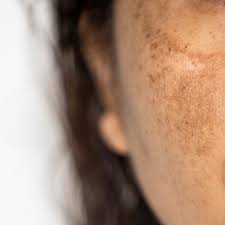
How Often Should You Get Dermal Pigmentation Treatment? is a common question among individuals aiming to reduce dark spots, age spots, and uneven skin tone. Determining the right frequency ensures optimal results, minimizes side effects, and maintains long-lasting skin clarity. Understanding the treatment process, types, preparation, aftercare, ideal candidacy, and potential risks helps individuals create an effective treatment plan for dermal pigmentation treatment.
What Is Dermal Pigmentation Treatment and How It Works?
Dermal Pigmentation Treatment in Dubai(علاج تصبغ الجلد في دبي) targets excess melanin in the skin, which leads to dark spots, sun damage, and post-acne marks. The treatment works through a variety of techniques:
- Laser therapy to break down concentrated pigmentation beneath the skin’s surface
- Chemical peels to exfoliate damaged layers and promote fresh skin growth
- Topical agents to inhibit melanin production and prevent further pigmentation
- Microneedling to stimulate collagen production and improve overall skin texture
These approaches reduce visible pigmentation while enhancing skin tone and clarity. The frequency of sessions is often determined by skin type, pigmentation severity, and desired results. Individuals frequently ask, “Will too frequent treatment harm my skin?” When properly spaced, treatments are safe and effective.
Importance of Dermal Pigmentation Treatment:
Regular dermal pigmentation treatment helps maintain an even skin tone and healthy complexion. Its benefits include:
- Reduction of age spots, sunspots, and post-acne pigmentation
- Improvement in skin texture, brightness, and overall clarity
- Boost in self-confidence through rejuvenated appearance
- Prevention of further pigmentation caused by sun exposure or hormonal changes
Determining the right treatment interval is crucial for preserving these benefits while minimizing irritation or over-treatment.
Types of Dermal Pigmentation Treatment:
Different methods may influence how often treatments should be scheduled:
Laser Therapy:
Laser treatments are highly effective but require spacing between sessions, typically 4-6 weeks, to allow the skin to heal and respond optimally.
Chemical Peels:
Chemical peels can be scheduled every 3-6 weeks depending on peel strength and skin sensitivity, ensuring safe exfoliation and regeneration.
Topical Treatments:
Prescription creams and serums are usually applied daily, and their results are complemented by in-office treatments spaced over weeks or months.
Microneedling:
Microneedling sessions are typically spaced 4-6 weeks apart, allowing the skin to recover while collagen production continues to improve texture and pigmentation.
Understanding the treatment type helps determine the appropriate frequency for maximum results.
Preparation and Aftercare:
Proper preparation and aftercare enhance effectiveness and reduce potential side effects, influencing the overall frequency of dermal pigmentation treatment sessions. Recommended steps include:
- Avoiding direct sun exposure and applying broad-spectrum sunscreen before and after each session
- Refraining from harsh chemical exfoliants or retinoids prior to treatment
- Keeping skin clean and hydrated to support healing
- Following post-treatment care instructions, such as gentle cleansing and avoiding makeup immediately after treatment
- Avoiding picking or scratching treated areas to prevent irritation
Adhering to these guidelines ensures the skin recovers fully between sessions, allowing treatments to be spaced safely.
Ideal Candidate for Dermal Pigmentation Treatment:
The ideal candidate for dermal pigmentation treatment is someone who:
- Has visible pigmentation issues such as sunspots, age spots, or post-acne marks
- Maintains healthy skin free from active infections or severe dermatological conditions
- Understands that multiple sessions may be needed to achieve optimal results
- Can commit to proper preparation, aftercare, and maintenance routines
Proper assessment ensures the treatment schedule aligns with skin type and pigmentation severity, optimizing safety and results.
How to Choose the Right Treatment Approach?
Choosing the right treatment method affects how often sessions are needed. Consider:
- Skin type and sensitivity
- Type and severity of pigmentation
- Desired timeline for results
- Compatibility with current skincare routine
Tailoring the treatment plan ensures safe spacing between sessions, preventing over-treatment while maximizing results.
Risks and Benefits:
While Dermal Pigmentation Treatment(علاج تصبغ الجلد) is generally safe, potential side effects such as redness, swelling, or mild irritation may occur if sessions are too frequent. Benefits include:
- Noticeable reduction in pigmentation and dark spots
- Enhanced skin tone, texture, and brightness
- Boosted confidence and rejuvenated appearance
- Long-lasting results with proper maintenance
- Prevention of further pigmentation issues
Balancing the frequency of treatments ensures benefits are achieved without unnecessary risks.
FAQs About Dermal Pigmentation Treatment:
Q: How often should treatments be scheduled?
A: Typically, 3-6 weeks apart for in-office procedures; topical treatments may be daily.
Q: Can all skin types undergo treatment?
A: Yes, with customized approaches and proper spacing, treatments are safe for all skin types.
Q: When will I see results?
A: Some improvements may appear after the first session, with full effects visible after multiple, appropriately spaced sessions.
Q: Can treatments be combined for better results?
A: Yes, combining methods like laser therapy, chemical peels, or microneedling can enhance results safely when sessions are properly spaced.
Q: What if I overdo treatments?
A: Over-treating can cause irritation or prolonged redness, so following recommended intervals is essential.
Conclusion:
How Often Should You Get Dermal Pigmentation Treatment? depends on skin type, pigmentation severity, and treatment method. Properly spaced sessions, combined with effective preparation, aftercare, and maintenance, ensure optimal results and minimize risks. Understanding the treatment process, ideal candidacy, and benefits allows individuals to enjoy clearer, even-toned skin while maximizing the effectiveness of dermal pigmentation treatment safely and confidently.
No responses yet